YouTube
51 channels for seeing how chips, computers, and AI work, from 3D animations to full university courses.
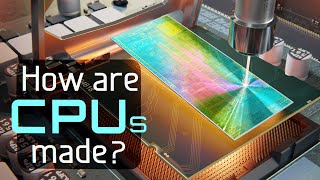
Stunning 3D animations that take you inside everyday technology. Nobody makes engineering easier to see.

Hundreds of calm, meticulous video essays on chip companies, chipmaking technology, and Asian business history.

Die shots, chip floor plans, and sharp analysis of new processors. The best place to see what is actually inside a chip.
Chips, all the time 8

A former AnandTech editor on processors, foundries, and the people who run chip companies. Lots of executive interviews.

The video side of the famous deep-dive website: how real CPU and GPU designs work, measured and explained.

Long video essays on where processors, graphics chips, and the industry are heading.

Leaks and rumors about upcoming CPUs and GPUs, plus the Broken Silicon podcast. Fun, but treat rumors as rumors.

Chip companies through an investor's eyes, with clear explanations of who makes what and how they earn money. Not financial advice.

Short, clear explainers on processors, Arm, RISC-V, and the chips inside your phone.

Polished explainers on the tech industry, including the chip companies behind it.

Talks from Hot Chips, the yearly conference where companies reveal how their newest chips are designed.
Inside the fab and the lab 8

One of YouTube's best science channels. When it turns to chips, the results are spectacular.

The student who made working chips in his garage, then co-founded a chip startup. Proof that chipmaking is not magic.

Home-lab experiments with lithography, lasers, and microscopes, explained step by step.

Electron microscopes, thin films, and lab physics, built and explained by an engineer at home.

Precision optics from a former optical engineer: the same science that makes chipmaking lenses possible.

Hands-on CPU and GPU experiments, from delidding chips to extreme overclocking.

Restoring vintage computers, including the Apollo Guidance Computer. Chip history you can watch running.

Talks and oral histories with the pioneers who invented the transistor era and built the industry.
PC and server hardware 8

Servers, networking, and data centers, including tours of giant AI clusters. Where chips meet the real world.

Servers, workstations, and deep hardware analysis from someone who clearly loves the details.

Rigorous CPU and GPU testing, plus factory tours and investigations into the hardware industry.

Data-heavy CPU and GPU benchmarks. Great for seeing how new chips actually perform.


The biggest general tech channel. Mostly consumer gadgets, but its factory and lab tours are well worth finding.

Raspberry Pi, Arm boards, and homelab experiments, tested patiently and explained well.

Calm, beginner-friendly videos on PCs and small single-board computers.
How computers work 6

Builds an 8-bit computer on breadboards, one wire at a time. The best way to understand what a processor does.

Animated explainers on how CPUs, memory, and operating systems work under the hood.

Gentle, beautiful coding adventures, including building a computer from simple logic gates.

University of Nottingham academics explain computing ideas with pen and paper.

Electronics engineering, teardowns, and test gear from a veteran engineer.

Electricity basics taught with comedy and the occasional explosion.
Business and documentaries 7

Documentaries on tech companies and their rise and fall, chipmakers included.

Business case studies of companies like Intel and Nvidia: how they won, and how they slipped.

Short documentaries on business, China, and geopolitics, often touching chips and Taiwan.

Well-funded documentaries on business and technology, including the chip industry.


Engineering explainers on how big technologies work and why they are built the way they are.

AI and the compute behind it 8

The clearest visual explanation of how neural networks and large language models work.

A founding member of OpenAI builds GPT from scratch, step by step. Long, and worth it.






Lectures and courses 3

Complete university courses on computer architecture and memory, by one of the field's leading professors.

Full MIT courses, including circuits, electronics, and how computers are built.

Full Stanford lectures, including famous courses on machine learning and AI.
Picks are ours and will change as we find new favorites. Something brilliant missing? Write to contact@chipdecoder.com.